
Sticker stories · Part 3 · 1935 – 1990s
Before pixels: a century of paper stickers
A hundred years before you tapped a sticker into a chat, you peeled one off a sheet and pressed it onto your notebook. The digital sticker inherited more from paper than its name.
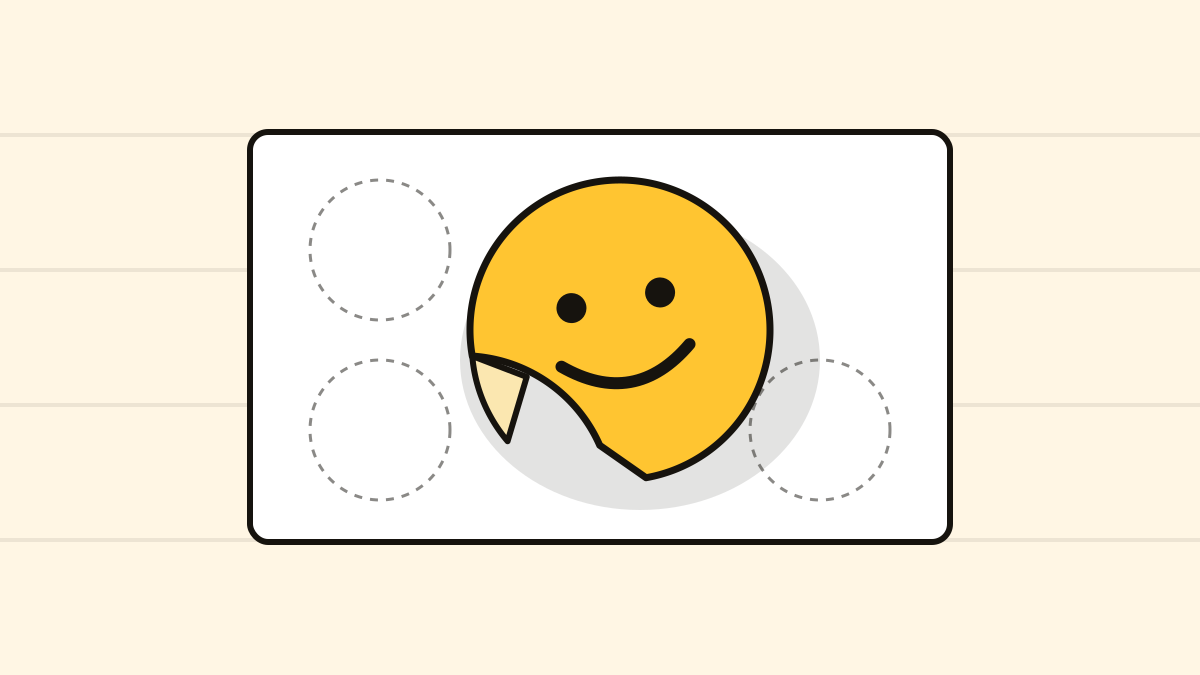
This series has been marching forward in time — from a biologist’s word to a dancing baby to a sticker sent across the planet. Now, one chapter from the end, we are going to stop and walk backwards, because the digital sticker did not come from nowhere. Long before it was a file, a “sticker” was a small printed picture with glue on the back — and almost everything we do with the digital kind, we did first on paper.
The peel-and-stick moment
For most of history a sticker was a nuisance. To fix a paper label to something you used a gummed label — the kind you had to lick, or wet with a sponge — or a pot of glue. It worked, but it was messy, and once it was down it was down.
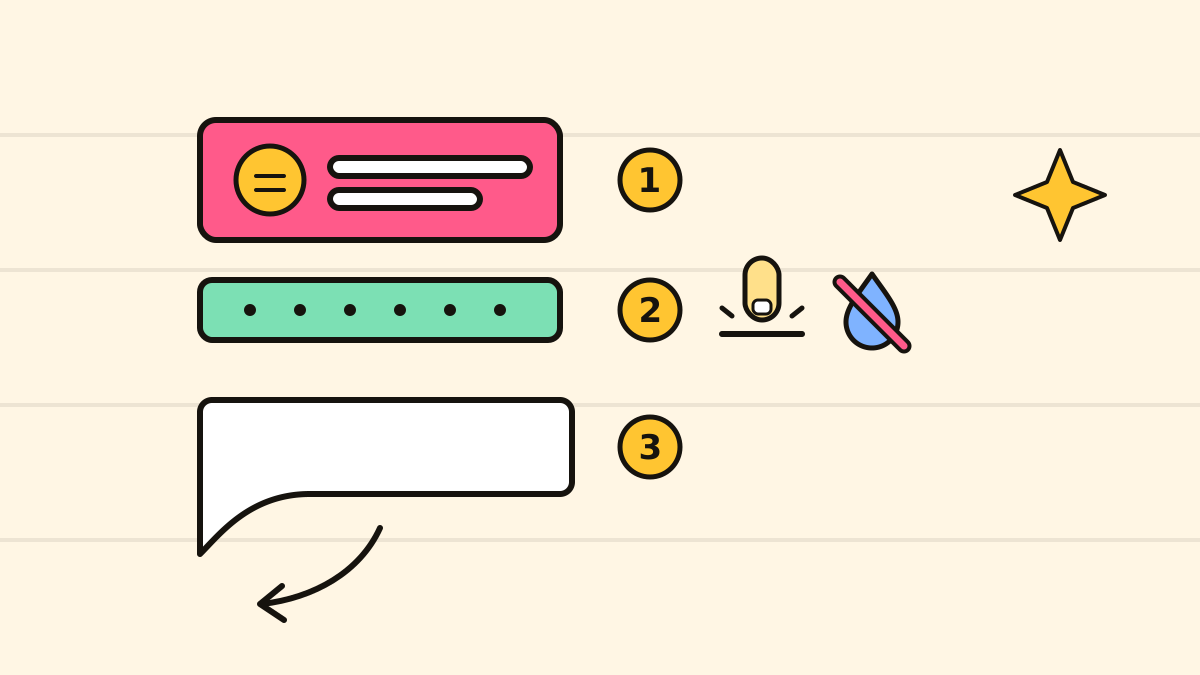
The modern sticker begins with one man and one year: R. Stanton Avery, in 1935, in Los Angeles. Short of money, he cobbled together a machine — reportedly from odds and ends including a sewing-machine motor — that could make the first self-adhesive labels: labels with a pressure-sensitive glue that stays tacky, protected by a peel-off backing sheet. No water, no glue pot. Peel and stick. His little venture grew into a giant of the label industry. That invention — a face, a permanently sticky back and a throwaway backing — is still exactly what you peel today.
The album and the swap
Once stickers were easy to make, a second, social idea took hold: collecting them. The landmark is the Italian company Panini, which from 1961 sold collectible sticker sets — most famously footballers — as numbered stickers in sealed packets. You bought packets without knowing what was inside, stuck what you got into a printed album, and were always missing a few. The only way to finish was to trade your duplicates with friends: got it, got it, need it, swap.
That loop — buy, collect, trade, complete — turned stickers into a currency and a social ritual for generations of children, in schoolyards all over the world. It is worth pausing on, because it is precisely the loop that digital sticker stores would later rebuild: packs you acquire, a collection that is never quite done, and the small pleasure of having one your friends don’t.

Puffy, shiny and scratch-and-sniff
Then stickers got fun. Through the 1970s and into the great sticker craze of the 1980s, they sprouted textures and tricks: puffy stickers, furry ones, googly-eyed ones, shiny prismatic foil — and, best of all, scratch-and-sniff. That last one was real chemistry: microencapsulation, tiny capsules of scent (developed at 3M in the 1960s) that burst when you scratched them, so a strawberry sticker actually smelled of strawberry.
Kids kept albums purely to display a collection, decorated notebooks and lockers and bedroom doors, and traded at school. Stickers had become a whole small language of taste and belonging — what you stuck on your folder said something about you. Sound familiar? It is the same instinct that makes someone’s choice of chat stickers feel personal today.
Everything the digital sticker inherited
Line the two up and the resemblance is almost uncanny. A paper sticker is a picture you peel and place to personalise a surface; a digital sticker is a picture you tap and place to personalise a conversation. Paper stickers came in collectible packs you completed by trading; digital ones come in packs you download and show off. Paper stickers let a child say this is mine, this is me on a lunchbox; digital ones let you say it in a chat. Even the clean, die-cut edge of a good sticker survived the jump — it became the transparent background from the GIF story.
The digital sticker did not just borrow the word. It inherited a whole century of human behaviour — peeling, placing, collecting, swapping, showing off — and simply moved it onto a screen.
For ninety years, stickers were something companies printed and children collected. Emoji and chat stickers carried that culture onto our phones — but left one piece behind: the making stayed mostly in professional hands. That is the last thing to change, and it brings this whole story up to the present, and to you.
Next in this series, the finale: everyone is a sticker maker now — how making, not just collecting, finally landed in everyone’s pocket.